
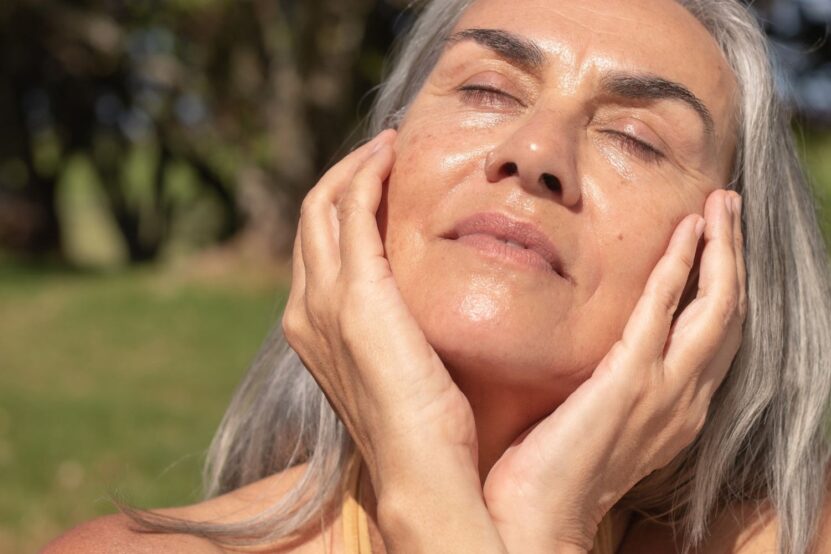
Your skin is giving you signals. If you’ve noticed it’s not quite behaving the way it used to—drier patches where there weren’t any before, fine lines appearing seemingly overnight, or a complexion that’s lost its natural radiance—hormones might be the culprit.
Between the ages of 45 and 55, most women enter menopause, and alongside the hot flushes and sleep disruptions comes a series of predictable skin changes. Research from the British Menopause Society shows that up to 75% of menopausal women report noticeable changes in their skin quality, yet many don’t connect these shifts to hormonal fluctuations.
Here’s what’s actually happening beneath the surface, and more importantly, what you can do about it.
Why Hormones Control More Than You Think
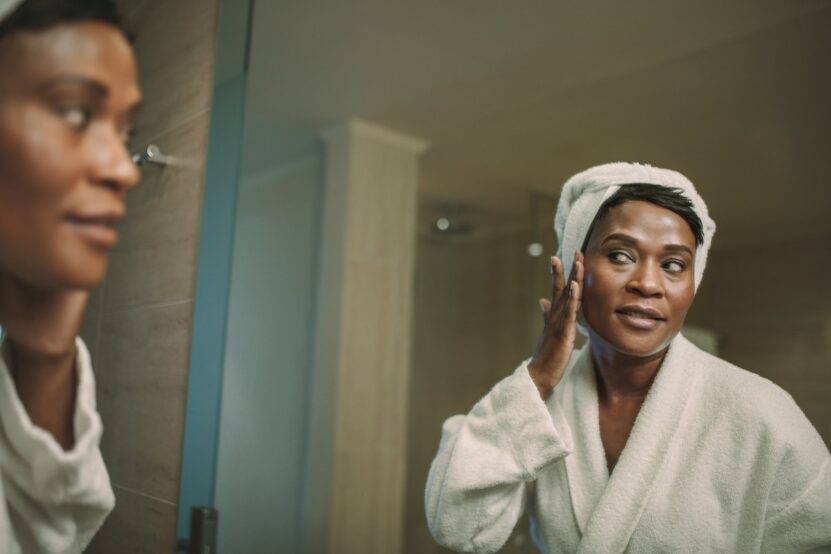
Oestrogen does far more than regulate your menstrual cycle. It’s deeply involved in collagen production, skin thickness, moisture retention, and even wound healing. When oestrogen levels begin their decline during perimenopause—often starting in your early to mid-40s—your skin loses a crucial ally.
A 2021 study published in the International Journal of Women’s Dermatology found that women lose approximately 30% of their skin’s collagen in the first five years after menopause. That’s not a gradual fade; it’s a fairly rapid shift that explains why changes can feel sudden rather than incremental.
Testosterone levels also fluctuate during this time, which can affect sebum production. Some women find their skin becomes oilier in unexpected places, whilst others experience an overall dryness they’ve never dealt with before.
The Seven Predictable Skin Shifts During Menopause
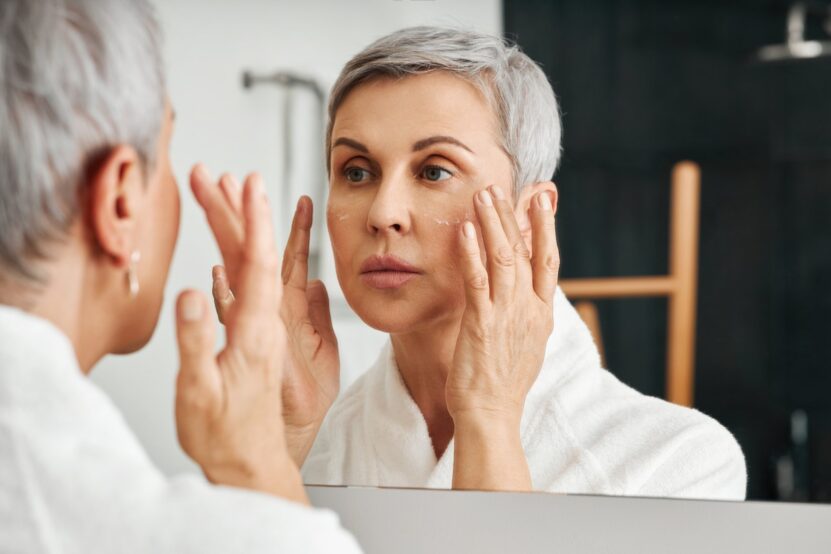
1. Loss of Firmness and Elasticity
Collagen and elastin are the scaffolding that keeps skin looking plump and resilient. As oestrogen drops, fibroblast activity—the cells responsible for producing collagen—slows considerably. The result? Skin that was once firm begins to sag, particularly around the jawline, neck, and under the eyes.
According to NHS data, skin thickness decreases by roughly 1.13% per year after menopause, which compounds the visual effects of collagen loss.
2. Increased Dryness and Rough Texture
Oestrogen helps maintain the skin’s natural barrier function and stimulates the production of natural oils. Without adequate levels, the skin barrier becomes compromised, leading to transepidermal water loss (TEWL).
You might notice your skin feels tight after cleansing, or that moisturisers you’ve used for years no longer seem to do the job. That’s because your skin is literally losing its ability to hold onto moisture.
3. Thinning Skin
Menopausal skin becomes thinner and more fragile. This isn’t just about wrinkles—it’s structural. Research from the British Association of Dermatologists indicates that skin thinning makes blood vessels more visible (hello, redness and broken capillaries) and increases susceptibility to bruising.
4. Dullness and Uneven Tone
Cell turnover naturally slows with age, but the hormonal changes of menopause accelerate this decline. Dead skin cells linger longer on the surface, creating a dull, lacklustre complexion. At the same time, melanin production can become erratic, leading to age spots and uneven pigmentation.
A 2022 survey by the British Skin Foundation found that 62% of menopausal women reported dullness as their primary skin concern, outranking even wrinkles.
5. Increased Sensitivity and Inflammation
When the skin barrier weakens, irritants and allergens penetrate more easily. Many women find that products they’ve used without issue suddenly cause redness, stinging, or breakouts. This isn’t you becoming “difficult”—it’s your skin’s protective mechanisms struggling to keep up.
6. Delayed Healing and Recovery
Oestrogen plays a role in wound healing and skin repair. Post-menopause, you might notice that blemishes take longer to fade, or that your skin doesn’t bounce back as quickly from treatments or environmental stressors.
7. Changes in Facial Hair and Texture
As oestrogen decreases and the androgen-to-oestrogen ratio shifts, some women experience increased facial hair growth (particularly on the chin and upper lip) or changes in pore size and texture. It’s frustrating, but it’s common—and manageable.
What Actually Helps (And What Doesn’t)
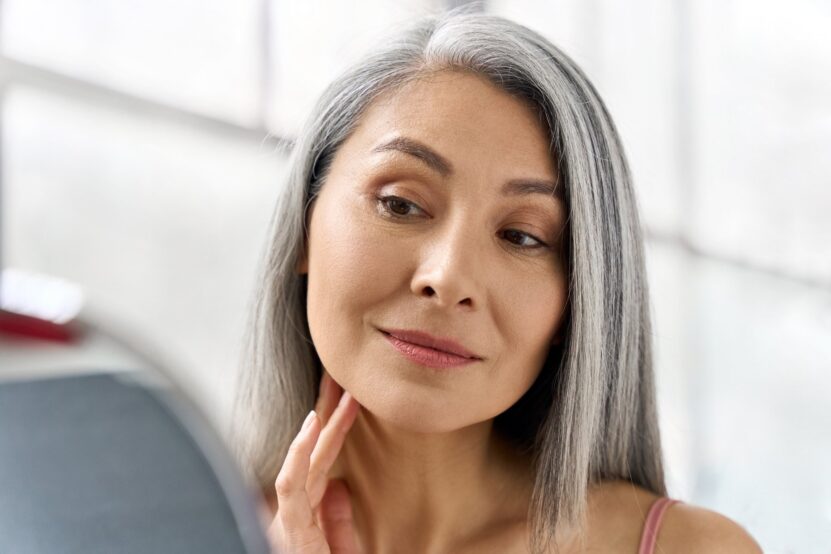
There’s no shortage of products claiming to “turn back the clock,” but when it comes to menopausal skin, targeted support makes all the difference.
Focus on Barrier Repair
Your first priority should be strengthening the skin barrier. Look for formulations rich in ceramides, fatty acids, and cholesterol—the three components that make up the lipid barrier. Niacinamide (vitamin B3) is particularly effective at supporting barrier function whilst also addressing pigmentation.
Boost Collagen Production
Retinoids remain the gold standard for stimulating collagen production, but they can be too harsh for newly sensitive menopausal skin. Consider starting with a gentler retinoid alternative like bakuchiol, or opt for peptides that signal collagen synthesis without the irritation.
Products specifically formulated for hormonal skin changes during menopause often incorporate adaptogenic botanicals alongside proven actives, addressing multiple concerns simultaneously.
Prioritise Hydration
Hyaluronic acid is a humectant that draws moisture into the skin, but it needs to be paired with occlusives (like squalane or shea butter) to prevent that moisture from evaporating. Layering is key: apply hydrating serums to damp skin, then seal everything in with a rich cream.
Don’t Neglect Sun Protection
Menopausal skin is more vulnerable to UV damage, which accelerates collagen breakdown and pigmentation issues. Daily SPF 30 or higher isn’t optional—it’s essential.
Consider Professional Treatments
In-office treatments like microneedling, chemical peels, and laser therapy can complement your at-home routine by stimulating deeper layers of the skin. However, these should be spaced carefully and performed by qualified practitioners who understand menopausal skin’s unique needs.
The Role of Lifestyle Factors
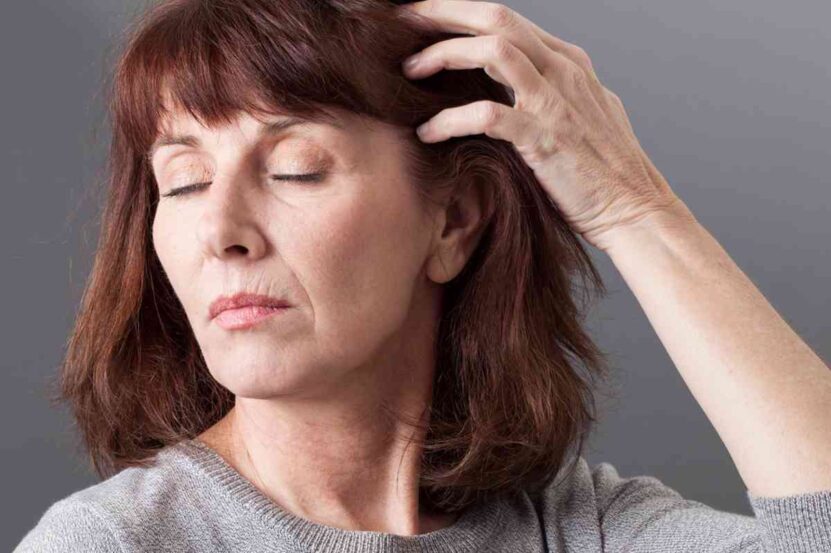
Skincare products matter, but they’re only part of the picture. Sleep quality, stress management, diet, and exercise all influence how your skin responds to hormonal changes.
A 2023 study in Maturitas found that women who engaged in regular moderate exercise (at least 150 minutes per week) reported fewer severe menopausal skin symptoms compared to sedentary peers. Exercise improves circulation, which delivers oxygen and nutrients to skin cells whilst flushing out toxins.
Omega-3 fatty acids, found in oily fish, walnuts, and flaxseeds, support skin barrier function from the inside out. Phytoestrogens—plant compounds that weakly mimic oestrogen—may also offer some benefit, though research is still emerging.
When to Seek Professional Advice
If you’re experiencing severe dryness, persistent redness, or skin changes that impact your quality of life, it’s worth consulting a dermatologist or a menopause specialist. Hormone replacement therapy (HRT) can significantly improve skin quality for some women, though it’s not suitable for everyone.
A GP can also rule out other conditions that sometimes get mistaken for menopausal skin changes, such as rosacea, eczema, or thyroid disorders.
Building a Menopause-Friendly Skincare Routine
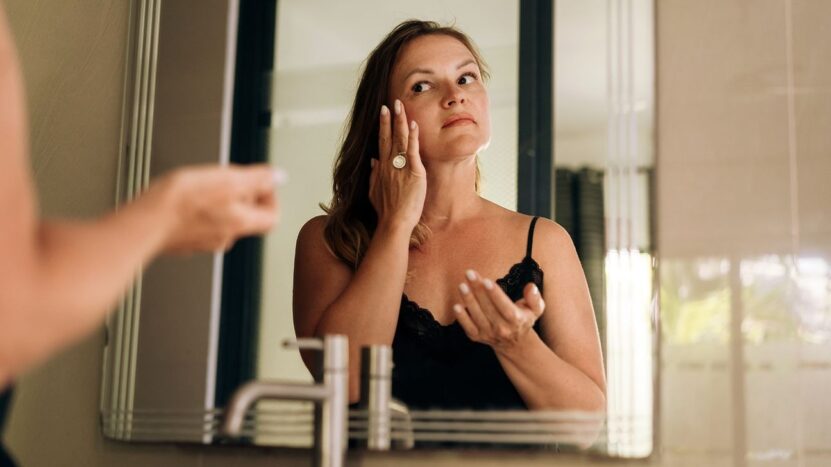
Your routine doesn’t need to be complicated, but it does need to be intentional. Here’s a framework that addresses the most common concerns:
Morning: – Gentle, non-foaming cleanser – Hydrating serum (hyaluronic acid or glycerin-based) – Antioxidant treatment (vitamin C or niacinamide) – Moisturiser with barrier-supporting ingredients – SPF 30-50
Evening: – Oil-based or micellar cleanser (double cleanse if wearing makeup) – Treatment serum (retinoid, peptides, or growth factors) – Rich night cream or facial oil – Eye cream (optional but helpful for delicate under-eye area)
Weekly: – Gentle exfoliation (enzyme or lactic acid-based, not harsh scrubs) – Hydrating mask
Adjusting Your Expectations (And That’s OK)
Here’s something rarely said in beauty marketing: your skin at 50 won’t look like your skin at 30, and that’s not a failure. The goal isn’t to erase time—it’s to support your skin through a significant biological transition so it remains healthy, comfortable, and resilient.
The women who navigate menopausal skin changes most successfully are those who shift from fighting their skin to working with it. That means listening to what it needs, adjusting products as those needs change, and giving new routines time to work (usually 8-12 weeks for visible results).
The Bottom Line
Menopause brings real, measurable changes to your skin, but those changes aren’t inevitable decline. With the right information and targeted support—whether through science-backed skincare formulated for hormonal shifts or professional treatments—you can maintain skin that feels comfortable and looks healthy.
Your skin is adapting to a new hormonal landscape. Give it the tools it needs, be patient with the process, and remember that the knowledge and confidence you’ve gained over the years are worth more than any serum could ever promise.
Frequently Asked Questions
How quickly do skin changes happen during menopause?
Most women notice the most significant changes within the first five years after their final period, though perimenopause symptoms can begin years earlier. The speed and severity vary widely—some women experience dramatic shifts, whilst others notice only subtle differences.
Can you reverse menopausal skin changes?
You can’t reverse hormonal changes themselves, but you can significantly improve how your skin looks and feels through targeted skincare, professional treatments, and sometimes HRT. Many women report that their skin feels better at 55 with the right routine than it did at 50 without intervention.
Is expensive skincare necessary for menopausal skin?
Not necessarily. What matters more than price is ingredient selection and formulation quality. A well-formulated mid-range product will outperform a luxury cream with ineffective ingredients. Focus on proven actives like retinoids, niacinamide, peptides, and ceramides.
Should I change my entire routine when I hit menopause?
Not all at once. Assess what’s still working and identify specific concerns that have emerged. You might only need to swap your moisturiser for something richer or add a targeted serum, rather than overhauling everything.
Does drinking more water help menopausal skin?
Adequate hydration supports overall health, but drinking extra water won’t significantly change skin moisture levels. Topical hydration (through serums and moisturisers) and barrier protection matter more for skin hydration.
Can men experience similar skin changes?
Yes, though less dramatically. Men experience a more gradual decline in testosterone with age (sometimes called andropause), which can affect skin thickness and elasticity. However, because men typically have thicker skin and more active sebaceous glands, the visible effects are generally less pronounced.